Pullthethread.
↓ pull the thread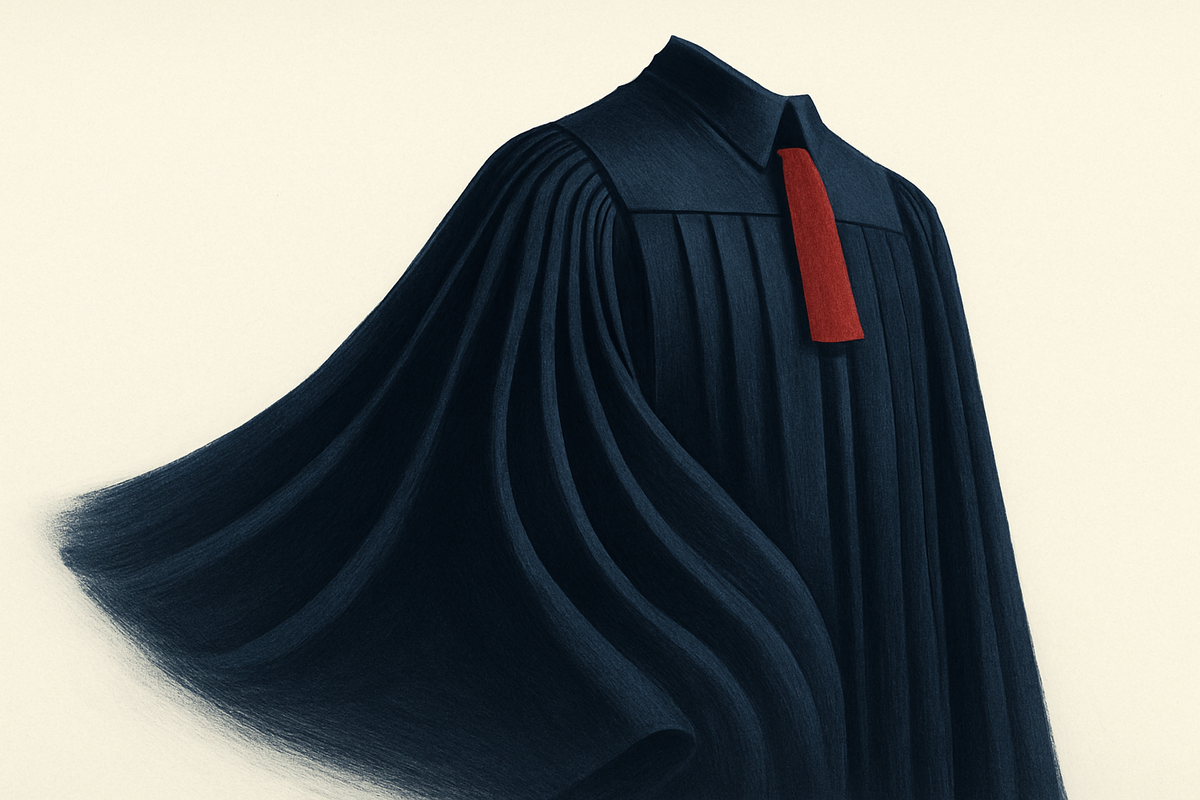
ChatGPT Now 'Try On's Your Designs. Nobody Asked You.
OpenAI's new virtual try-on tool turns any screenshot of your garment into raw material for an AI image generator, with no license, no attribution, and no mechanism to say no.
If AI touched your design, prove what you did.
The Copyright Office protects human contributions — if you can document them. The Provenance Generator writes the record: how your design was made, signed under the E-SIGN Act, fingerprinted, and sealed into the Bitcoin blockchain. Free, no account, nothing uploaded.
Document your design →AI
Breaking at the intersection of AI & fashion law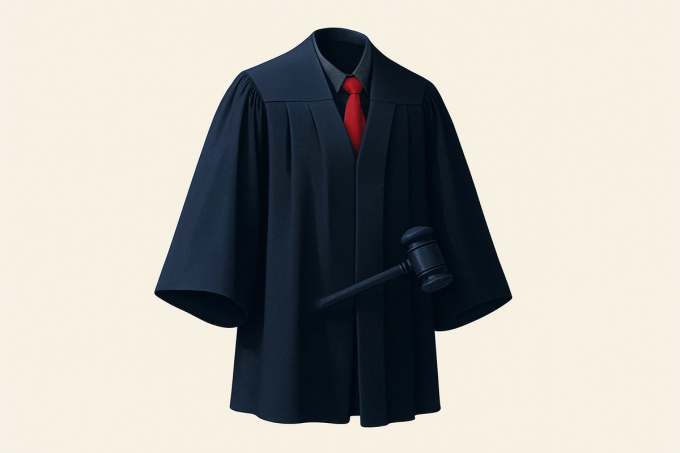
Shein's AI Design Pipeline Faces a Racketeering Test in Court
A refiled class action argues Shein's algorithmic trend-scraping isn't just copyright infringement, it's a pattern of racketeering. A ruling on Shein's motion to dismiss is pending, and if the theory survives, every AI-driven copying pipeline gets more exposed.
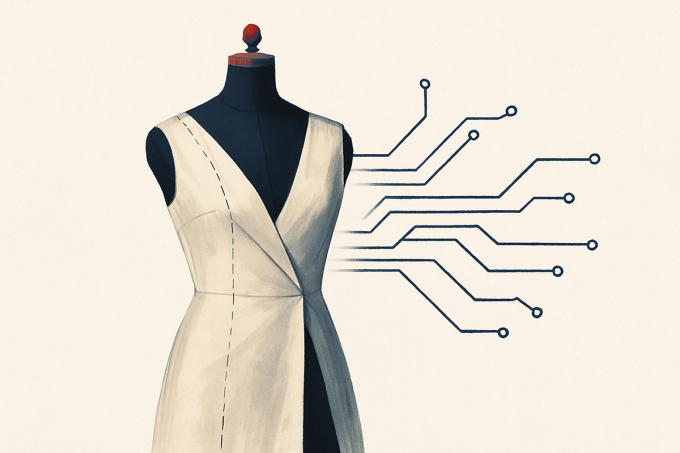
CLO Settled With Style3D's Maker, and Says It Admitted Infringing
CLO's announcement says Linctex conceded that Style3D Studio infringed three of its patents. The public docket shows a dismissal by agreement, no finding, and no response from Linctex.
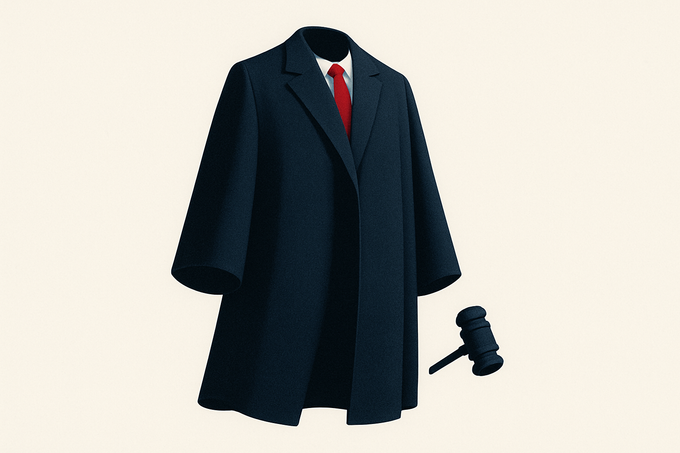
Minnesota's AI Nudification Ban Faces Its First Real Test
The first law making AI companies directly liable for nudification tools took effect August 1. xAI's constitutional challenge now heads toward an August 19 hearing that could reshape the playbook for deepfake liability.
Latest
Law · Design · Tech
NY Court Lets Rainbow Shops Keep Using AI Model Images
A judge's refusal to block AI-altered ads of model Francheska Pujols shows how far a broadly worded release can stretch, and why every independent model needs to read the fine print before signing.
Pujols v. Rainbow Shops: The AI Likeness Case Rewriting the Model Release
A model says Rainbow Shops used AI to put her face in scenes she never shot. The retailer says her 2024 release already allowed it, and a judge has let the images stay up while the fight plays out. The whole story, in one place.
Influencer's AI Deepfake Suit Against EBY Tests Creator Rights
A body-positive influencer says a lingerie brand used AI to alter her own content into a nonconsensual deepfake. The case will help define what independent creators can actually control in their contracts.

Stability AI Named in Deepfake Suit: A Warning for Fashion Brands
An amended complaint adds Stability AI as a defendant in a CSAM deepfake case, and the reasoning threatens every brand relying on open-weight image tools for catalog work.

AI 'Whitewashed' a Black Model: A New Kind of Bias Claim
A Nigerian-Australian model says a menswear brand used AI to lighten his skin and reshape his features. The complaint tests whether bias law, not just publicity law, is the right tool for AI-altered ad imagery.
When AI Retouching Lightens Skin: A Model's Discrimination Claim
A menswear brand used AI to reshape a Black model's nose and skin tone. His complaint tests whether AI photo editing can trigger discrimination law, not just image rights.
Before the Law
The whole book →What independent fashion knew first
Independent designers were practicing supply-chain transparency, substantiated claims, open licensing and consent years before any of it carried legal force. Twenty of them, documented in real time between 2005 and 2017, set against the law that finally caught up.
Read from the beginning →Illegal Art
One of my first posts ever, about the RIAA suing teenagers. It was the whole future of AI copyright in miniature.
No Better Time Than Nau
A 2008 love letter to a coat company that was disclosing its supply chain a decade before the law required it.
Chapter 02 · Linda LoudermilkLuxury Eco
She trademarked "luxury eco" because the words did not exist yet. Now the law decides which green words you are allowed to use.
Chapter 03 · Leila HafziThe Gown, Made Right
"Luxury" and "ethical" in the same breath, years before any marketing department dared pair them.
AI Law, State by State
31 states enacted, 6 in motion. Open the Tracker →
Where I read
Five sources I check before I publish. None of them pay me and none of them know I list them.
- Model AllianceThe advocacy group behind the Fashion Workers Act, and the clearest voice on what AI likeness rules mean for the people actually being scanned.
- The Fashion LawDaily reporting on the filings and rulings this site writes about at length. The first place to check whether something really happened.
- Fashion Law InstituteThe Fordham institute where this field was more or less invented. Bootcamps and CLE, open to people who are not lawyers.
- U.S. Copyright Office, AIThe primary source on human authorship and AI-assisted work. The reports themselves, not a summary of somebody reading them.
- European Commission, AI ActThe Article 50 guidelines, the Code of Practice and the labelling icons, from the body that writes them.
Follow the thread
One letter each Sunday: the story to pull on this week, and where it leads.
Subscribe by email →