Originally published 2010 on Urban Socialite. Revisited 2026.
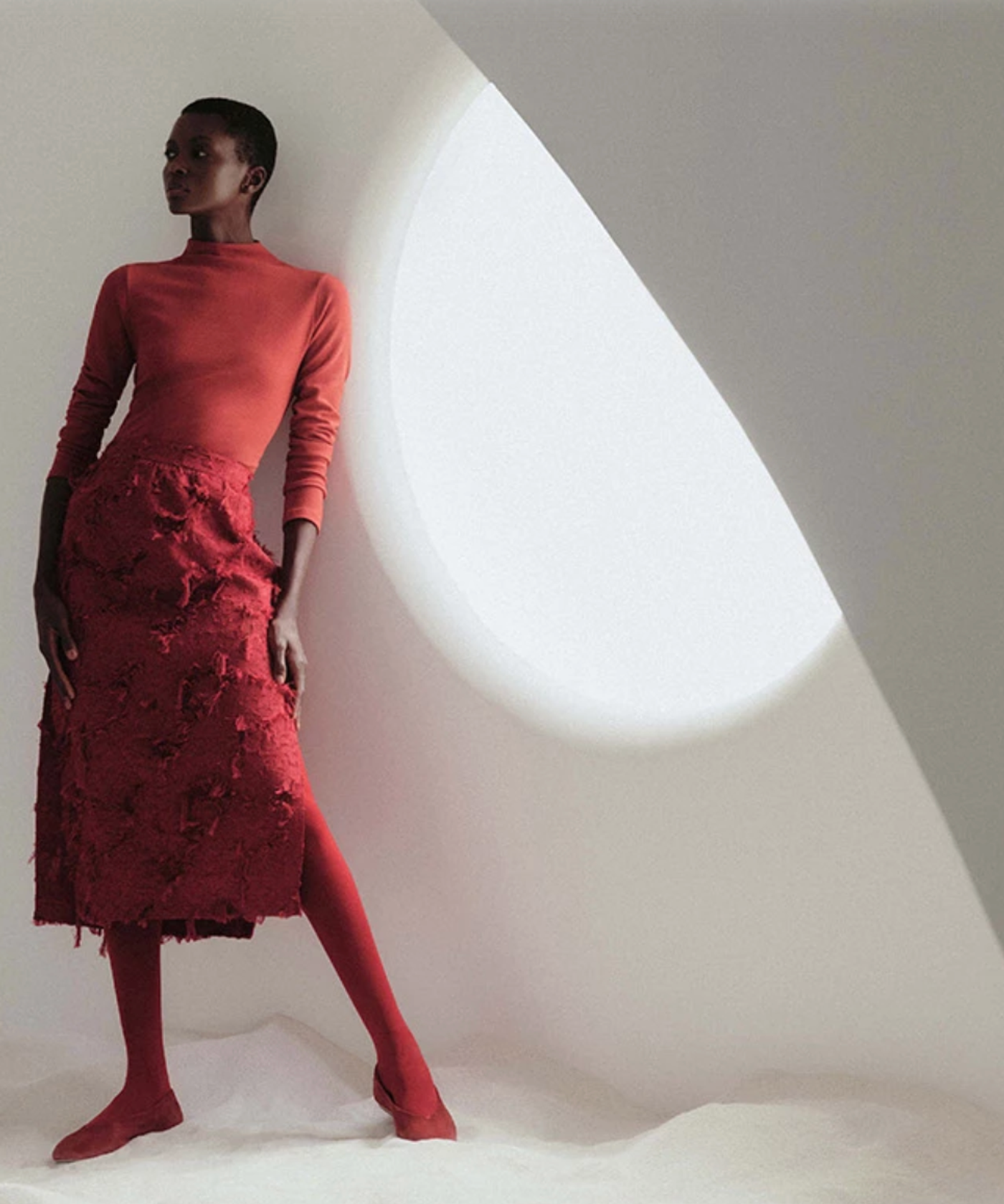
I wrote about Cris Barros in 2010 because of the photography. That's the honest answer. The SS10 collection images were beautiful: great light, a beautiful model, the kind of editorial quality that small designers rarely had access to back then. (In the original post I had the name as Chris, and the old URL keeps my spelling. The label is Cris Barros. Consider this the correction, sixteen years late.)
The brand itself earned the attention once I looked closer. São Paulo-based, making womenswear with a particular quality: clothes that look simple until you're standing next to someone wearing them and you realize the fit is doing something very specific.
Exceptional Brazilian tailoring. There's a tradition of construction in Brazilian fashion, particularly in São Paulo, that treats the relationship between fabric and body as holistic. Barros was working in a tradition with a specific cultural and technical heritage, and that heritage was visible in the work even when it wasn't named.
So... what is the label up to over a decade later?
Cris Barros kept building in São Paulo. Stores, a following, more than two decades of collections. The brand joined Grupo Soma in 2016, and Soma took full ownership in 2020, with the label keeping its identity intact. And last July, twenty-three years in, it started shipping worldwide. Here's the detail that got me, though: everything, design through photography, is still done by an in-house team in São Paulo. The label that caught my eye with photographs still treats the photographs as part of the work.
Which brings up the photography question, newly relevant. The FTC's truth-in-advertising principles now squarely cover AI-generated imagery: a photorealistic image of a garment that was never photographed can deceive just as surely as a false claim. And as of June 9, 2026, New York requires advertisers to conspicuously disclose AI-generated "synthetic performers" in any ad reaching a New York audience, the first law of its kind in the country. The question of what's real and what's generated is live in ways it wasn't when those SS10 shots were taken on film with a real model. (I've written about what fashion brands must disclose under the FTC's AI rules separately.)
The photography that made me post about this brand, actual bodies, actual light, actual clothes, is now a point of legal and commercial distinction. Not just aesthetics. And it's telling that the label still shooting everything in-house is the one that lasted.
The collection was amazing. The photographer was amazing. The designer was amazing. In 2010 that generated a nice post. In 2026 it's also a case study in what documentation looks like when it's done right.