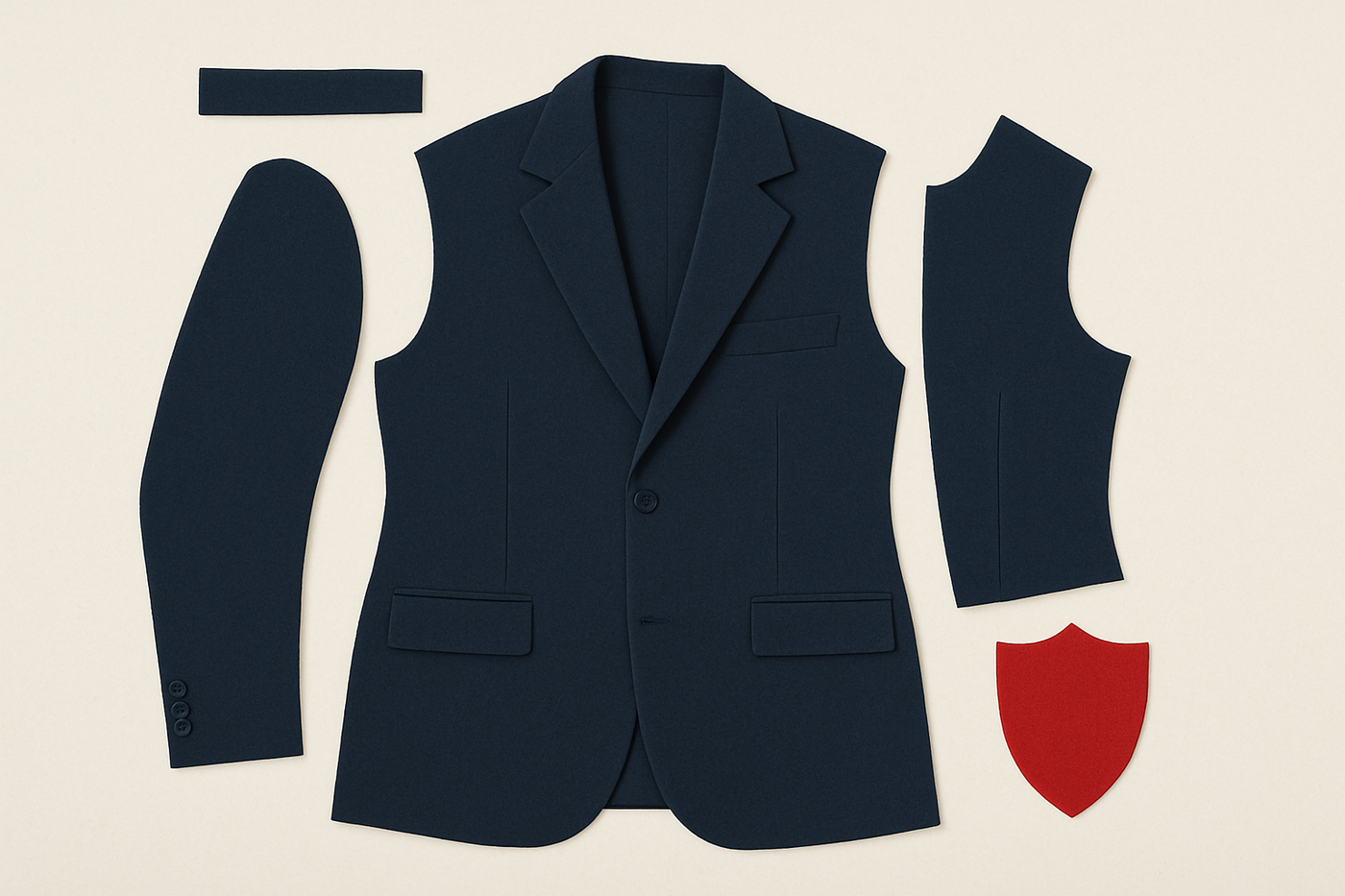
If you have ever signed a modeling release, a brand ambassador agreement, or a UGC contract, you have probably signed language allowing the company to crop, retouch, or otherwise alter your image without further approval. That clause used to be harmless boilerplate. This week in a Manhattan courtroom, it is the whole case. Model Francheska Pujols is asking a New York State Supreme Court judge to stop Rainbow Shops from continuing to use AI-generated images built from her 2024 catalog shoot, images she says depict poses, settings, and a wardrobe she never wore. Rainbow's defense is not that the images are fine. Its defense is that her contract already let them do this.
The claim
Pujols first sued Rainbow USA in New York State Supreme Court on May 22, then withdrew the case a week later to pursue a private settlement, then refiled on June 15 when those talks broke down. Her core allegation has stayed consistent: Rainbow photographed her against a plain white backdrop for a 2024 shoot, then used AI to generate new images placing her in scenes, poses, and outfits that were never part of that shoot, including one showing her straddling a barstool with a cocktail. Her contract, she argues, only covers photographs "distorted in character or form, cropped or altered, without restriction as to changes or transformations," language written for retouching, not for generating wholly synthetic scenes. Rainbow disagrees. In its opposition papers, the company argues the agreement "actually contemplates the use of technology to actually distort, crop, alter or transform the plaintiff's images," reading the old release language broadly enough to cover generative AI outright. Pujols was set to appear in a Manhattan courthouse this week to ask the court to prohibit Rainbow from continuing to use the pictures after it refused her requests.
Why it matters
This is the fight every independent model, influencer, and small brand collaborator needs to watch, because almost nobody's contract was written with generative AI in mind. As one attorney who represents creators put it, contracts written for the pre-AI era are being stretched to cover AI-driven content alterations, and brand deals with creators who lack legal savvy are "rife with exploitation." Pujols herself has said "I felt disrespected and violated" and that "In a million years, no amount of money will make me post with my legs open." That is the human stakes side. The legal stakes side is this: if a court in New York accepts Rainbow's reading, standard "alter and transform" language, the kind sitting in thousands of existing releases, could retroactively double as an AI license nobody negotiated and few models understood they were granting. New York has tried to close part of that gap. The state's Fashion Workers Act, in force for about a year now, prohibits model management companies from creating or altering a model's digital likeness through AI without clear, conspicuous and separate written consent from the model. That statute targets agencies, not necessarily retail clients directly, and it does not retroactively rewrite contracts signed before AI-specific consent became standard practice. The gap between old boilerplate and new statutory consent requirements is exactly where this case, and the next one, will be decided.
What to watch
Watch for the court's ruling on Pujols's request for injunctive relief, since a decision either way will shape how litigants and lawyers argue the next wave of these cases, including Molly Tranchin's separate federal suit against lingerie brand EBY over an allegedly AI-altered deepfake video that exposed more of her body than she consented to show. Watch, too, for how brands respond to the pressure this creates. Attorneys advising creators are already rewriting contract language to close the loophole Rainbow is testing, with one lawyer telling Bloomberg Law he now deletes the word "use" from releases entirely because "there are no magic words with AI, but I usually delete the word 'use' because what does 'use' mean? 'Use' could be anything." If you are an independent designer or model working without in-house counsel, the practical lesson arrives before any verdict does: assume that generic "alter, crop, or transform" language will be argued to cover AI generation unless your contract says otherwise in plain terms. Name the prohibited uses. Require separate, written, revocable consent for any AI-generated or synthetic likeness. Put a dollar figure and a duration on it. The Rainbow case may end in settlement, as it nearly did once already. But the clause at its center is sitting in your files too, and nobody is going to flag it for you before you sign.