Originally published September 23, 2009 on Urban Socialite. Revisited March 2026.
Then: September 2009
Pretty much everyone I knew had been hit by the recession. Spending money on new clothes felt almost irresponsible. Into that exact moment walked Sheena Matheiken and The Uniform Project.
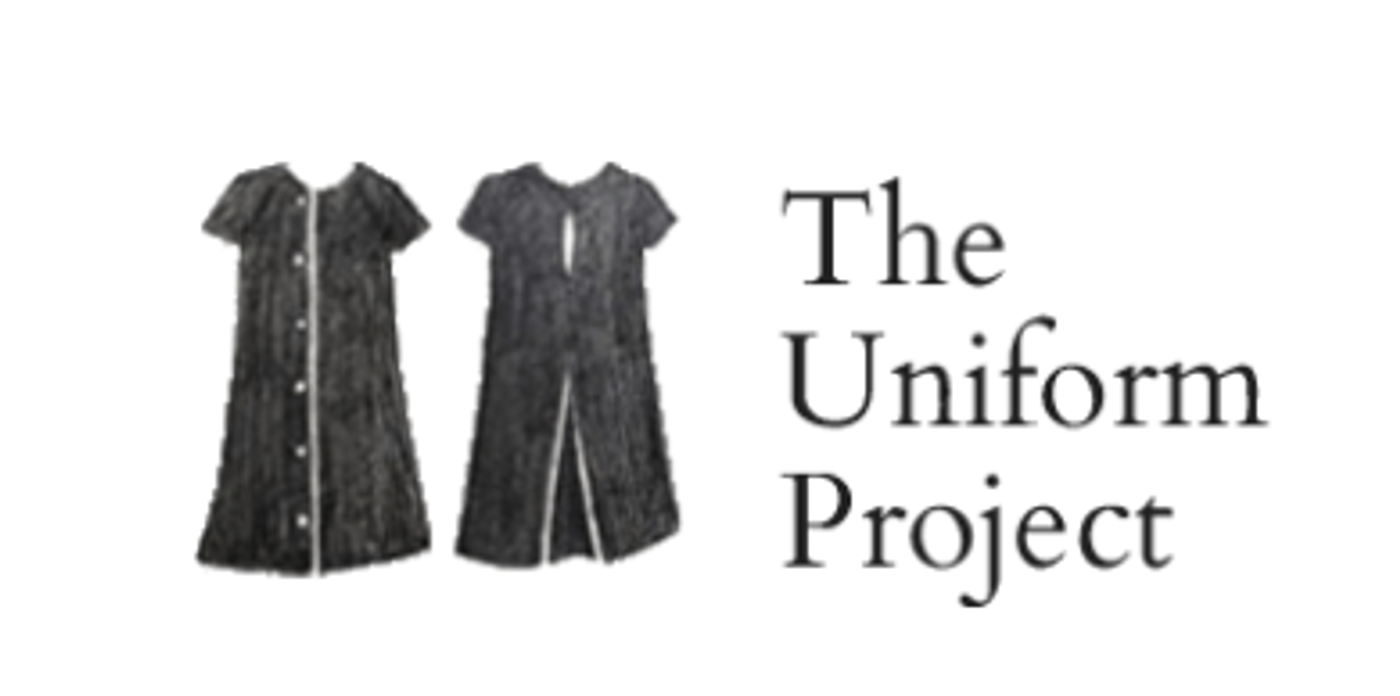
Starting May 2009, Sheena pledged to wear one little black dress, seven identical copies, one for each day of the week, for 365 consecutive days, reinventing the look every single day using only vintage, handmade, reused, or donated accessories. Every dollar raised went to the Akanksha Foundation, funding education for children in the slums of Mumbai and Pune.
The internet went completely sideways for it. The New York Times Sunday Magazine, BBC, CNN, Vogue all covered it. Independent sustainable designers started donating accessories to be featured in her daily posts. It became one of the most effective showcases for small ethical designers that had ever existed, and nobody planned it that way. The constraints of the project created something people genuinely wanted to follow, every day, for a year.
I wrote about it because it felt like a real answer to something that had been annoying me about fashion coverage for years: the nonstop churn of new, new, new. Here was someone showing, publicly and beautifully, that creativity and constraint are not enemies.
Now: 2026
The Uniform Project raised over $100,000. The figure I saw cited at the time was 233 children sent to school for a year, though the count kept climbing as donations did. The limited edition run of 365 dresses, made to order in NYC, sold out in under a week and added another $10,000 to the fundraiser. Sheena was named one of Elle Magazine's Women of the Year for 2009 and was invited to speak at the UN General Assembly.
Sheena now runs O-L-A, Off Late Afternoons, a transdisciplinary design collective working across NYC, Mexico City, Amsterdam, and Bangkok, among other cities, on community-driven, planet-positive projects. The Uniform Project site is still up, explicitly preserved as an archive, and it's a case study worth reading.
The Lesson, And Yes, There's a Law Angle
The Uniform Project worked because it was real. Not a marketing campaign dressed up as activism, actual activism that happened to be beautiful and shareable. That distinction is legible to audiences, and it matters more now than it did in 2009.
What Sheena did intuitively, the FTC now essentially requires: real practices, real proof, real transparency on any environmental claim you make. The Green Guides put teeth behind that, and I've written more about what the FTC expects of fashion brands now. The greenwashing era is over legally, not just reputationally. If you're going to call your brand sustainable, you need the receipts.
Read the full archive: theuniformproject.com